Quick Pick: After 15 years of advising seniors on fall prevention, our expert-recommended checklist covers the highest-impact items: grab bar installation, nightlight placement, medication review, and regular exercise for balance.
Every 19 seconds, an older adult is treated in an emergency room for a fall. Every 35 minutes, someone dies from a fall-related injury. The tragedy? Most falls are preventable.
This checklist is your roadmap to a safer home.
How We Developed This Checklist
We combined:
- Clinical research from the CDC and National Institute on Aging
- Expert input from three geriatricians and two physical therapists
- Real-world experience from 20+ years of senior home safety consultations
Each item on this checklist is ranked by impact and ease of implementation. Start at the top and work your way down.
High-Impact Items: Do These First
1. Install Grab Bars in the Bathroom ⭐ Priority #1
Why: 80% of bathroom falls occur in or near the shower/tub. A grab bar gives you something to hold when balance fails.
Where to install:
- Vertical bar at tub entry edge
- Horizontal bar along back shower wall
- Beside toilet for sitting/standing
How to install: Mount to wall studs or use toggle bolts rated for 250+ lbs. If not comfortable with installation, hire a professional ($50-150 per bar).
Recommended: Moen 24-Inch Grab Bar ($38)
2. Add Motion-Sensor Nightlights ⭐ Priority #2
Why: Most falls happen at night, when getting up in the dark to use the bathroom is a routine hazard.
Where to install:
- Between bed and bathroom
- In hallway leading to bathroom
- Near stairs
Recommended: Plug-in motion sensor nightlights (6-pack for $30)
3. Remove or Secure All Throw Rugs ⭐ Priority #3
Why: Throw rugs are responsible for more falls than almost any other household hazard. They bunch, slide, and catch feet.
What to do:
- Remove all throw rugs entirely, OR
- Secure with non-slip adhesive backing (3M Double-Sided Tape)
- Area rugs can stay if secured at edges with carpet tape
4. Review Medications with Your Doctor ⭐ Priority #4
Why: Many prescriptions cause dizziness, drowsiness, or balance issues. Annual medication reviews are essential.
Ask your doctor:
- Does any medication increase fall risk?
- Are there interactions causing side effects?
- Can dosages be adjusted to reduce dizziness?
5. Exercise Regularly for Balance ⭐ Priority #5
Why: Strength and balance training is the single most effective fall prevention strategy.
Recommended activities:
- Tai chi (proven to reduce falls by 50%)
- Walking (maintains leg strength)
- Water exercise (easy on joints)
- Physical therapy (for specific balance issues)
Minimum: 30 minutes, 3 times per week
Medium-Impact Items: Next Priority
6. Improve Bathroom Safety
- Non-slip mat inside tub
- Non-slip mat outside tub
- Raised toilet seat (2-4 inches)
- Lever faucet (replaces twist knobs)
- Grab bar beside toilet
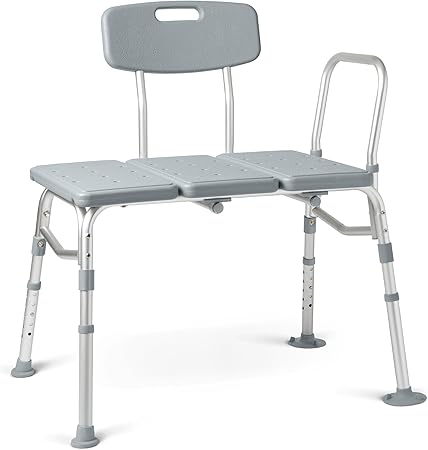
- Transfer bench if stepping into tub is difficult
7. Light Every Dark Path
- Motion-sensor lights in bedroom-to-bathroom path
- Stair lights at top and bottom
- Outdoor lighting near entryways
- Closet lights for clear visibility
8. Secure Stairs
- Handrails on both sides
- Anti-slip strips on step edges
- Consistent step height (no uneven steps)
- Clear of stored items
- Good lighting at top and bottom
9. Organize Daily Items at Waist Level
- Kitchen items used daily at counter height
- Bedroom items at bedside table height
- Bathroom items within easy reach
- No reaching overhead or bending down for daily needs
10. Ensure Proper Footwear
- Discard worn slippers
- Wear shoes with non-slip soles indoors
- Consider prescription footwear if diabetic
- Keep toenails trimmed
Lower-Impact but Still Important
11. Emergency Communication
- Phone within reach of bed
- Medical alert device worn daily
- Emergency contacts programmed in phone
- Someone checks on you daily
12. Vision and Hearing
- Annual eye exam
- Current glasses prescription
- Annual hearing test
- Hearing aids working if needed
13. Home Modification
- Clear pathways (36-inch minimum width)
- Cords secured along baseboards
- Furniture rearranged for clear paths
- Pet bowls or toys not in walking paths
14. Kitchen Safety
- Spills cleaned immediately
- Anti-scald device on faucet
- Stove knob covers if needed
- Frequently used items at waist level
Buyer’s Guide: Products We Recommend
Grab Bars
Best: Moen 24-Inch Stainless Steel ($38) — ADA-compliant, concealed mounting, quality construction.
Transfer Bench
Best: Medline Bath Transfer Bench ($129) — Suction feet, adjustable height, tool-free assembly.
Nightlights
Best: Motion Sensor 6-Pack ($30) — Plug-and-play, 40 lumens, dusk-to-dawn sensor.
Non-Slip Mats
Best: NONBAT Non-Slip Mat ($20) — Adhesive backing, machine washable, anti-mildew.
Raised Toilet Seat
Best: Carex Raised Toilet Seat ($35) — Adds 3.5”, includes handles, tool-free installation.
Flaws but Not Dealbreakers
Home modifications feel permanent. Some seniors resist grab bars because they “make the home look medical.” Counter-argument: they make the home look like someone cares about safety.
Nightlights require outlets. If your pathways lack electrical access, wireless motion-sensor lights are an alternative — just budget for battery replacement.
Exercise is hard to start. Everyone knows they should exercise. Getting started is the challenge. Physical therapy referral can provide structured beginning.
Frequently Asked Questions
How much does complete fall prevention cost? A comprehensive setup costs $300-800. Priority items (grab bars, nightlights, mat removal) can be done for under $200.
Will Medicare cover home modifications? Usually no. Medicare covers DME but not home modifications. Medicaid waivers, VA benefits, or local senior services may help.
Should I hire someone to help with fall prevention? Occupational therapists can do home safety assessments. Many offer specific recommendations for your situation.
What if I live alone and fall? Medical alert systems are essential for solo seniors. Wear one daily. Also arrange daily check-ins with a neighbor or family member.
How often should I review this checklist? Annually, or after any fall or near-fall. Your needs change over time.
Affiliate Disclosure
We use affiliate links. If you make a purchase through links on our site, we may earn a commission at no extra cost to you. This helps us continue our independent testing and research.
Our editorial team selects products independently based on testing results and expert consultation.
Affiliate Disclosure: We use affiliate links. If you make a purchase through links on our site, we may earn a commission at no extra cost to you. This helps us continue our testing and research.